
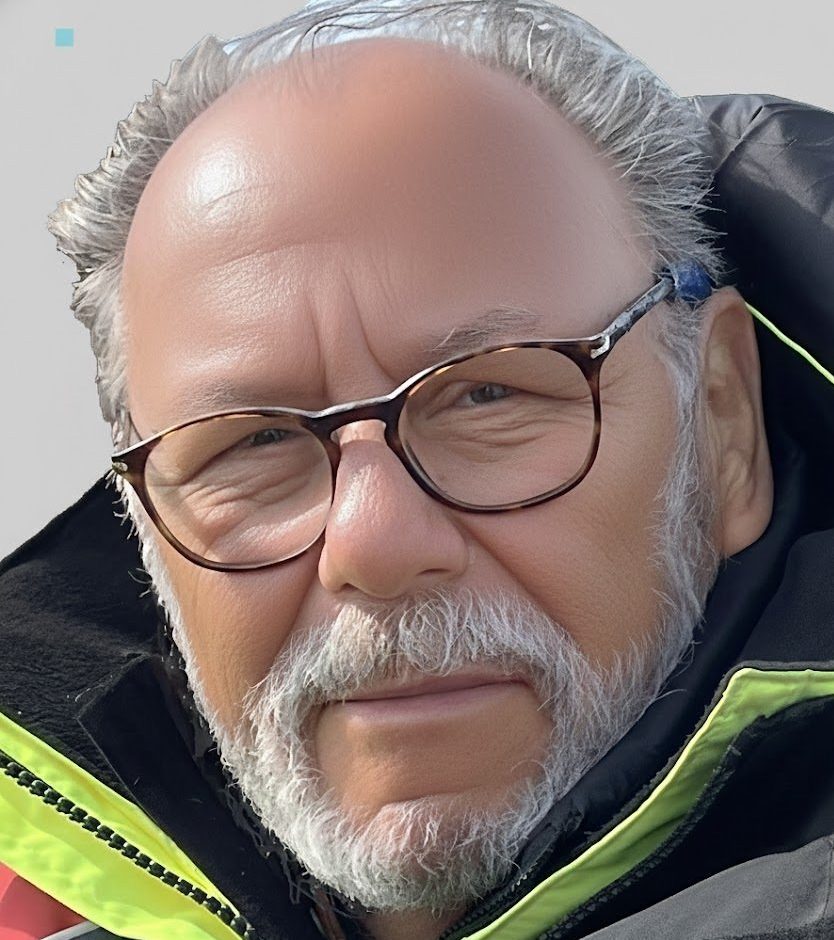
In this wide-ranging interview, marine industry veteran Phil Friedman—Managing Director of Port Royal Group—shares insights from more than three decades in yacht design, construction, journalism, and consulting. From managing a small marina in Ontario to leading major U.S. yacht yards, Friedman offers a rare insider’s perspective on marine surveys, explaining the critical differences between condition and valuation surveys and true pre-purchase surveys, how to choose the right surveyor, and why yacht valuations are often misunderstood. This conversation is essential reading for anyone buying, selling, or building a yacht.

Interview Transcript (Edited for Clarity and Formatting)
I’m here with Phil Friedman, who is the Managing Director at Port Royal Group, Marine Industry Consultants.
Interviewer:
Phil, can you tell us a little bit about yourself and what Port Royal is?
Phil Friedman:
Yes, I can. I’ve spent the greater part of my adult working life in the recreational marine industry in one capacity or another. My background is fairly eclectic.
I started as a second career in the marine industry, managing a small marina in Port Stanley, Ontario. There, I hauled and blocked boats using some of the most rudimentary, crude equipment on earth. I did bottom work and all sorts of scut work for quite a while.
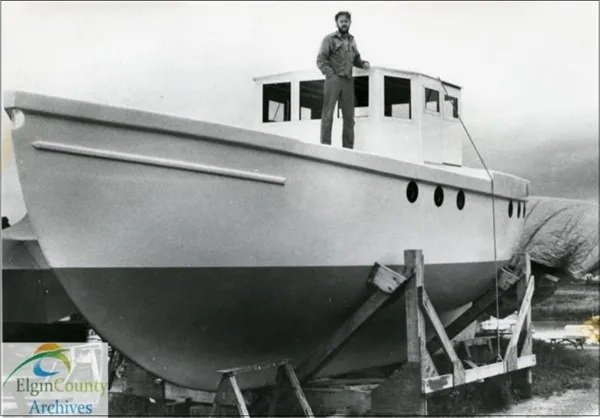
I had an abiding interest in yacht design and construction, and while I was doing that work, I was studying yacht design with Ted Brewer and Bob Walstrom in Maine. I then went on to open my own small shop and began designing and building boats.
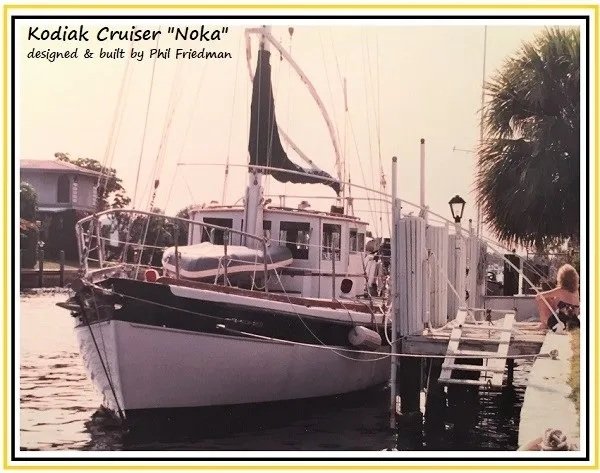
Eventually, I became a technical columnist for Pacific Yachting and Canadian Yachting for about ten years. I later moved back to the United States—I’m a U.S. citizen—and ended up in Florida, where I spent about nine years living aboard and cruising.
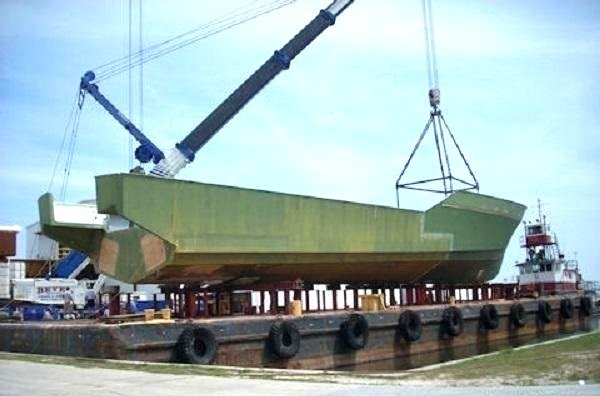
After that, I settled in the Fort Lauderdale area and became the senior editor for Power & Motoryacht magazine. Following that role, I moved into consulting and eventually became President and CEO of Palmer Johnson Yachts, with operations in Sturgeon Bay, Wisconsin, and Savannah, Georgia. We had two major yards across the United States with a total of about 600 employees.
During that period, I built more than a dozen Navsea yachts in the 120- to 180-foot range.
When I left Palmer Johnson, I returned to consulting and have been involved in numerous projects over the years. Along the way—because someone is going to ask why I’m talking about surveying—I occasionally conducted marine surveys, primarily small-craft surveys. Over a period of about 30 years, I probably completed around 200 of them.
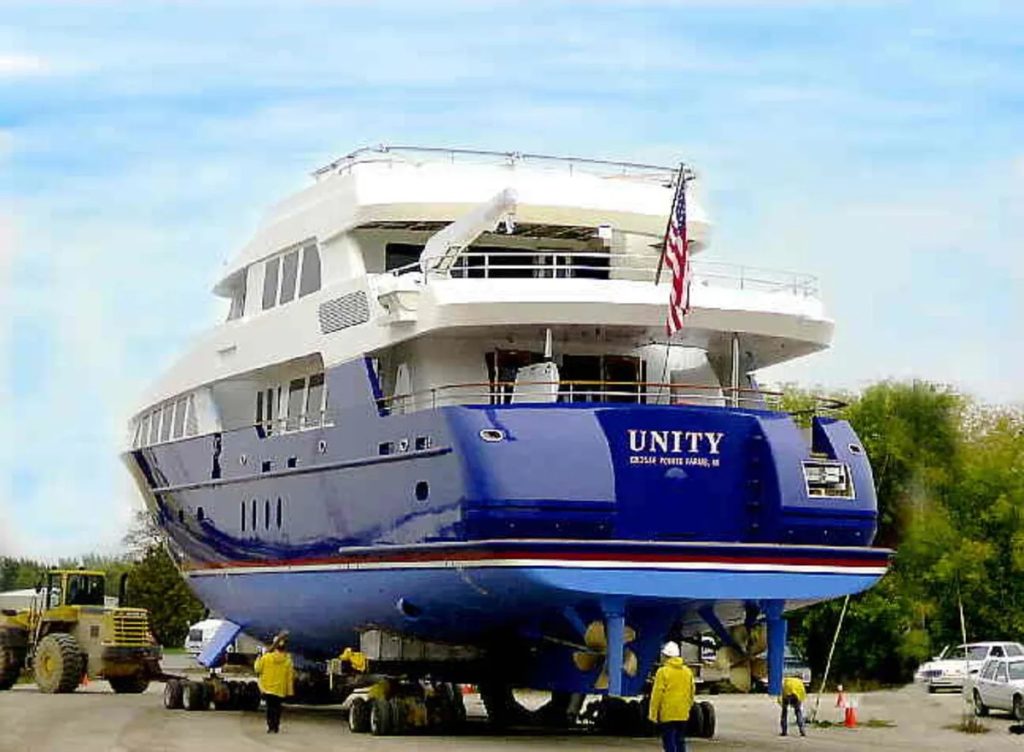
Surveying has always been a topic of interest to me. I wouldn’t say it’s a pet peeve, but it is something I think is generally misunderstood—by yacht buyers and yachtsmen, as well as brokers and salespeople. I welcomed this opportunity to shed some light on what surveying is, how it works, and how it needs to be understood.
Interviewer:
That sounds really interesting—and like a very eclectic career. It was fun to listen to that. Most people buying a boat are told to get a survey, but you’ve already hinted that you have opinions about that. What’s different about one survey versus another? Do they vary in quality, and is there something specific people should know?
Phil Friedman:
Yes. First of all, not all surveys are the same. There are two main categories of surveys.
One is the Condition and Valuation survey (CV). The second is a Pre-Purchase survey, and they are very different.
A Condition and Valuation survey is usually performed for someone who is buying a yacht and wants to insure it or borrow money against it. That survey is actually performed for the benefit of either an insurance company or a lender. Although the buyer pays for it, the beneficiary of the information is the insurer or lender.
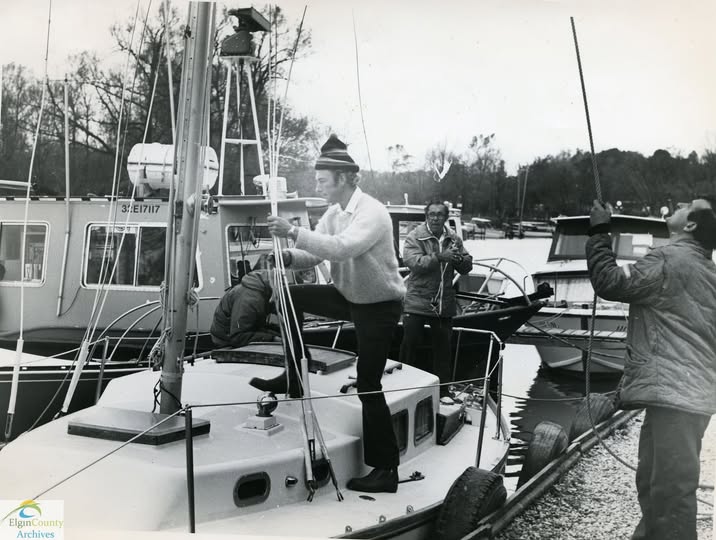
Because of that, the approach a surveyor takes in a CV survey is very different from the approach they should take in a pre-purchase survey. In a pre-purchase survey, the surveyor is working primarily for the buyer. The surveyor’s job is to find anything wrong with the boat—or anything that could reasonably cause a problem in the foreseeable future.
With a CV survey, the surveyor is only looking to establish that the vessel represents an average risk. Insurance companies and lenders base their decisions on averages. They are not looking for perfect boats; they are looking for boats they can insure or lend against at a rate that won’t cost them money.
That’s the first thing to understand. Unfortunately, most buyers are simply told, “Get a survey,” which is far too vague to be helpful. Very often, when someone says, “My surveyor didn’t find this” or “didn’t mention that,” it’s not the surveyor’s fault. The buyer likely commissioned the wrong type of survey.
Interviewer:
So it sounds like you need a specialized surveyor—someone who knows the kind of boat you’re looking at and can identify problems. Is that how you go about it?
Phil Friedman:
Most surveyors do both types of surveys because they need to stay busy. However, the requirements and skill sets for the two types are different.
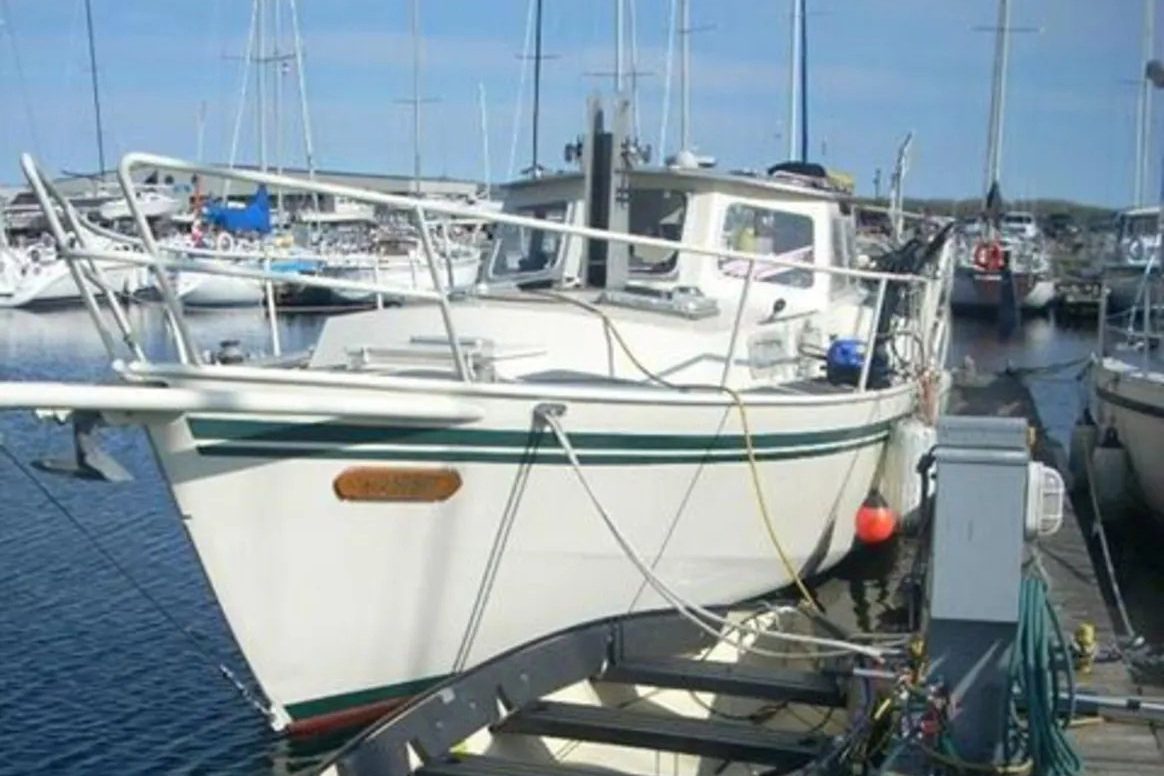
Someone conducting a CV survey will often work from a checklist, verify the vessel’s details, and confirm that there’s nothing major wrong with it. They may make recommendations for items that need attention and then render an opinion on whether the vessel constitutes an average risk for an underwriter or supports the valuation required by a lender.
A pre-purchase survey is very different. In that case, you need someone—my personal belief—who has a background in design and construction, repair, maintenance, or refit work. You need someone who has worked on the ground in those areas to understand what can go wrong, what is likely to go wrong, and what it will cost to fix.
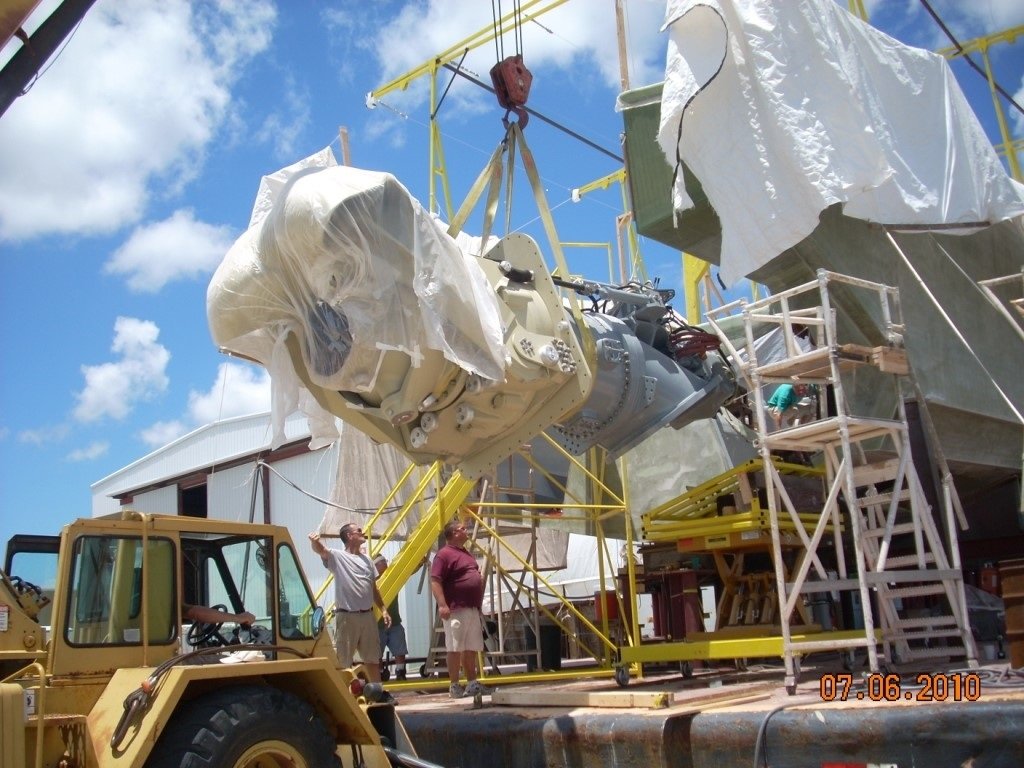
Everything that’s wrong with a boat can be fixed at some cost in time, money, and aggravation. The real question is how much, and how that balances against the purchase price. A buyer needs that information, and the best person to provide it is someone who has actually done that work.
Interviewer:
Are you suggesting that buyers need both kinds of surveys? If you’re required to have an insurance survey but also want to know if it’s the right boat, does that mean two surveys?
Phil Friedman:
Ideally, yes—but not necessarily two surveys, rather two reports.
This isn’t about misrepresentation; it’s about judgment and not overwhelming the reader with unnecessary information. You could have a single surveyor conduct one inspection but produce two different reports.
One report would go to the insurer or lender and would be limited in scope. An insurer doesn’t care if the toilet is clogged, as long as it’s not going to sink the boat. Including that kind of detail in a CV report just detracts from what matters.
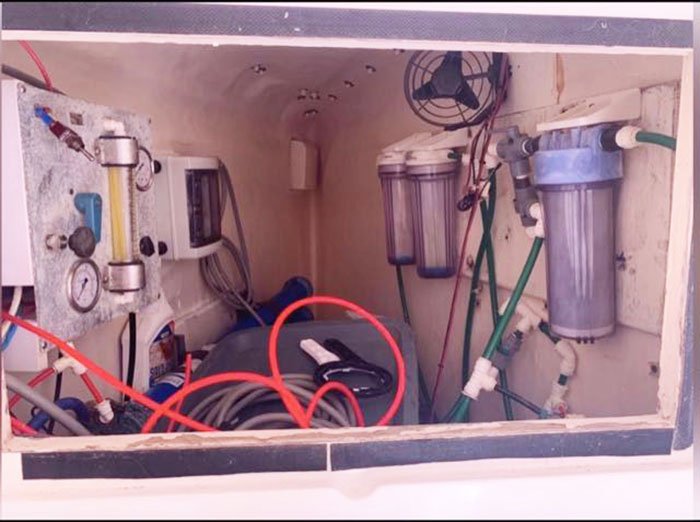
That information absolutely belongs in a pre-purchase report, because the buyer wants to know everything—every detail they may have to correct or pay for.
Interviewer:
That sounds like situations where a lender or insurer suddenly requires work to be done immediately, even though you know it could wait. Is that why less information can sometimes be better?
Phil Friedman:
Exactly. You have to ask whether the person relying on the survey would even ask those questions if left to their own devices. In many cases, they wouldn’t, because the issue doesn’t affect whether the vessel is an average risk or supports the loan value.
It’s not about hiding information—it’s about not introducing information that no one knows what to do with or doesn’t care about.
Interviewer:
How do you request that from a surveyor? Will most surveyors understand the difference?
Phil Friedman:
They should. There are two major certifying organizations in the United States for small-craft surveyors—meaning vessels under about 70 meters.
The first is NAMS, the National Association of Marine Surveyors. It’s the older organization, originally focused on ship and cargo surveys, but it later developed a small-craft division.
The second is SAMS, the Society of Accredited Marine Surveyors. They came later and focused specifically on yacht surveying, training, testing, and certification.
In practice, the procedures followed by surveyors from either organization are fairly similar.
When it comes to a CV survey, the ultimate requirement is that the survey be accepted by whoever is relying on it. The best thing to do is to contact the insurer or lender first and ask if they have a list of accepted surveyors.
Sometimes they will. They may specify a NAMS surveyor, a SAMS surveyor, or provide a list of people they trust. That’s what matters—their acceptance.
Surveying is not a registered or regulated profession. Anyone can call themselves a surveyor. Credentials don’t matter if the insurer or lender won’t accept the report.
If you trust someone to do a pre-purchase survey and want them to also provide a CV report, you can submit their résumé to the lender or insurer and ask if they’ll accept it. They’ll say yes or no.
Interviewer:
Other than those organizations, how else can people find a surveyor?
Phil Friedman:
You can ask insurers or lenders directly. You can also talk to other yachtsmen who have purchased boats and ask about their experiences.
But you must understand what kind of survey was done. Someone may say, “The surveyor was great—I got insurance and financing with no problem.” That doesn’t mean that surveyor is qualified to do a true pre-purchase survey.
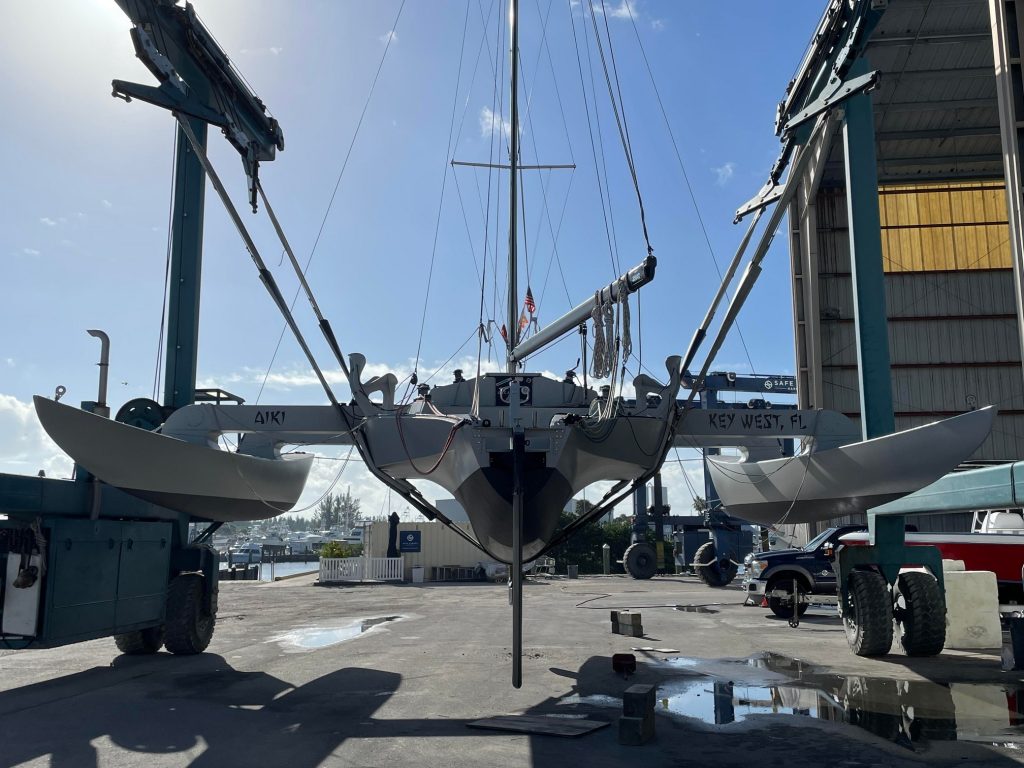
If all you need is insurance or financing, you don’t really care how detailed the survey is—only that it’s accepted. But if you want a true pre-purchase survey, you must be much more careful.
Interviewer:
How accurate are survey-based appraisals?
Phil Friedman:
This won’t be popular, but in my opinion—based on 30-plus years in the industry—they are not very accurate.
There’s no reliable database of yacht sales. Some private listing services track sales, but they rely on self-reported data, which is often inaccurate. Sellers exaggerate prices, and brokers are reluctant to report low sale prices because they want to support higher market values.
Unlike real estate, yacht sale prices are not publicly recorded. The data is spotty and varies widely by location and market.
If you need a valuation to support a loan, you should ask the surveyor upfront: assuming the boat is in average condition, what valuation range would you expect? If you need a $700,000 valuation and the surveyor tells you $300,000, you have a problem.
Interviewer:
Are there times when you would skip a survey entirely?
Phil Friedman:
Only if the purchase price is low enough that you can afford to lose the entire investment. It also depends on the simplicity of the boat or whether it’s new construction.
With new boats, the first thing you must analyze is the warranty. You need to understand what’s covered, for how long, and under what conditions.
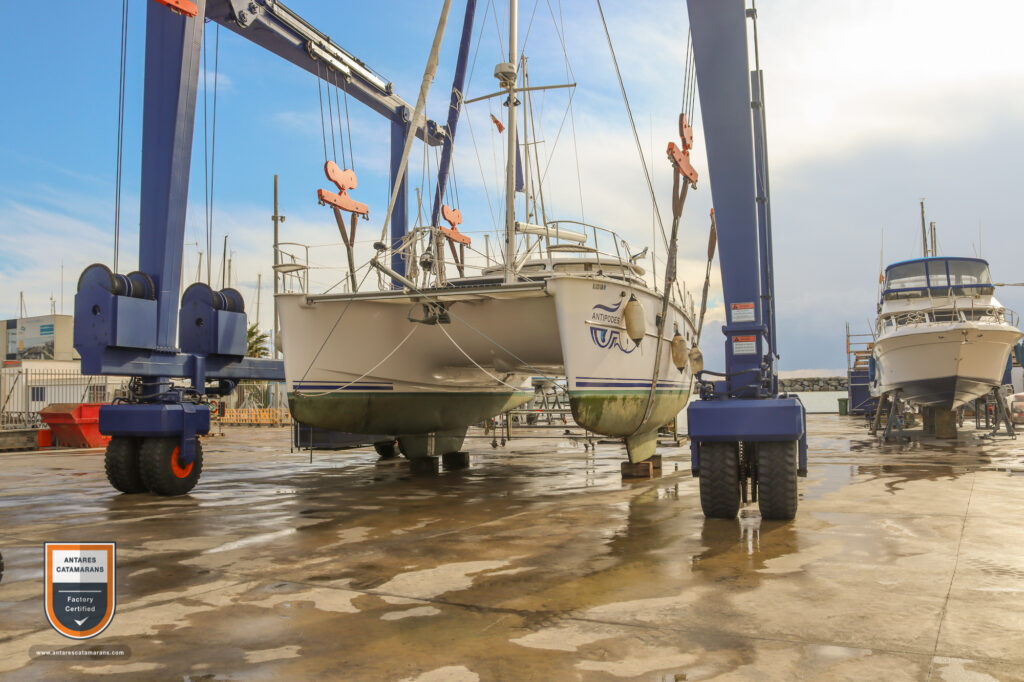
For many years, blistering was excluded from warranties and labeled a cosmetic defect. I argued publicly that blistering wasn’t an act of God and that if manufacturers knew a certain percentage of boats would blister, they should budget for it in their warranties. I was heavily criticized at the time, but eventually blistering became a warrantable defect.
You also need to look at how warranties are enforced. Some require you to return the boat to the original yard, which may be impractical. Others allow approved local yards.
You can perform a survey prior to accepting a new boat, and sometimes that’s very helpful, as it allows the builder to correct issues before delivery.
Interviewer:
Phil, we need to wrap up, but it’s clear you have a wealth of information. How can people learn more about you and your work?
Phil Friedman:
The best way is through my Substack hub at www.portroyalgroup.com. We publish a monthly newsletter and maintain a website that frequently discusses surveying, construction, and related issues. It covers a wide range of topics and is aimed at yacht builders, buyers, and owners.
Interviewer:
That sounds fantastic. Thank you again, Phil. I really enjoyed learning from you, and I’m sure our readers and viewers will as well.
Phil Friedman:
Thank you for the opportunity. It was nice to meet you.
Interviewer:
Nice to meet you too.