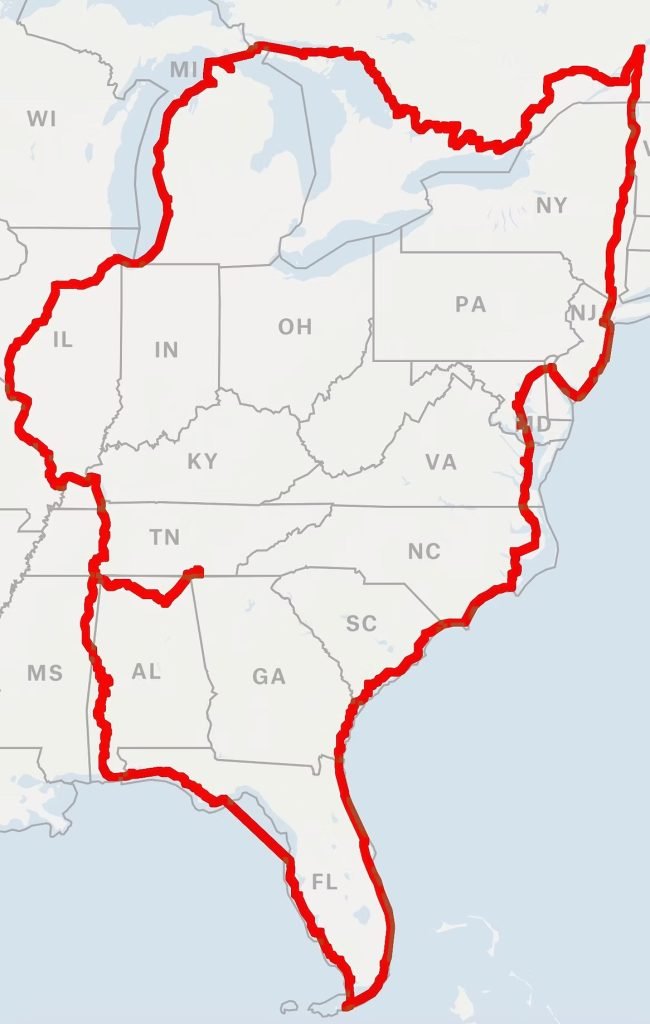
The Great Loop isn’t something you dabble in. It’s roughly 6,000 miles of rivers, lakes, locks, coastlines, currents, weather windows—and decisions that matter.
Today’s guest, Curtis Stokes, understands that kind of journey not just from theory, but from a lifetime on the water.
Curtis grew up boating and fishing. He sailed the East Coast and the Bahamas long before most of us ever touched a helm—me included. That early pull toward the water became a lifelong calling.
Curtis has captained vessels ranging from 75-foot classics to 180-foot superyachts, completed multiple circumnavigations, crossed the Atlantic more than half a dozen times, and logged countless offshore and inland miles.
He’s earned a U.S. Coast Guard 3,000-ton All Oceans Master license, along with international master certification—credentials that can only be earned through experience, sound judgment, and responsibility at sea.
As a longtime member of America’s Great Loop Cruisers Association, Curtis brings blue-water discipline to inland cruising, where bridges replace waves, timing replaces tides, and preparation makes all the difference.
This podcast is for people drawn to the Great Loop—the dreamers, the planners, and those already underway. We’ll talk about boats, routes, seasons, safety, and real-world decisions, guided by someone who’s navigated both oceans and inland waterways with equal respect.
This is about cruising the Loop smarter and cruising safer.

Memorable Great Loop Moments
Host:
Let’s start with your most memorable Great Loop story.
Curtis:
That’s a tough one—I have a lot of those.
There are times when clients call me just to say thank you. They’re grateful for getting into the right boat, and they tell me about the lifelong friends they’ve made while cruising the Great Loop. They share all these experiences with me, and I really enjoy that.
One of my favorite things is walking through a marina and having someone come running out saying, “Hey Curtis!” We’ll stop and chat for quite a while. It’s all fun.
But there are also more serious moments. I remember years ago at a rendezvous when a gentleman had a heart attack, and everyone jumped in immediately and saved his life. Or someone breaks down, and others step in to help without hesitation.
Boating, in general, is full of great people—but the Great Loop community is unique. Everyone has a specific purpose. They’re all working toward the same goal, and there’s a tremendous amount of support among Loopers. People really look out for one another.
Host:
It really is a tribe—whether it’s sharing a glass of wine or stepping up in an emergency.
How Curtis Got Involved in the Great Loop
Host:
How did you personally get involved in the Great Loop?
Curtis:
Well, I’d already been a yacht broker and a yacht captain for quite a while. I’d done a lot of cruising, deliveries, and all kinds of work on the water. I’d been around the world two and a half times, so I had a lot of experience.
But as a broker, I remember Sue Brown from Michigan and her late husband Gordy. They volunteered with TrawlerFest, and one day my wife Jill and I were attending TrawlerFest when Gordy kept after me.
He kept saying, “You’ve got to join the Great Loop, get involved in it.” And I was thinking, Yeah, I know about the Loop, but I honestly didn’t realize there was an organized group around it.
He finally convinced us, and we attended our first rendezvous in Rogersville, Alabama—which, to me, felt like the middle of nowhere. And it kind of is. But it was such a great experience and such a cool group of people.
I immediately saw the potential. The marketing they were doing could bring so many more people into the boating market. From a business standpoint, there was tremendous opportunity—and there has been.
But beyond that, it was just fun.
The “Best” Boat for the Loop
Host:
This is always a loaded question—but what do you think is the best boat for the Great Loop?
Curtis:
Everyone asks that question, and everyone has an opinion.
The easy way out is to say: whatever boat works best for you. And honestly, that’s the truth.
You’ll hear people say, “Buy the smallest boat you can comfortably cruise in so you can reach more areas of the Great Loop.” Others will say, “Buy the largest boat you can afford so you have more space.”
I find it really comes down to what you’re used to.
If you’re coming from a 10,000-square-foot home in Texas, you’re probably not going to enjoy living on a 20-something-foot boat where you’re basically glamping. But if you’re coming from a motorhome or a sailboat, you already have a completely different perspective.
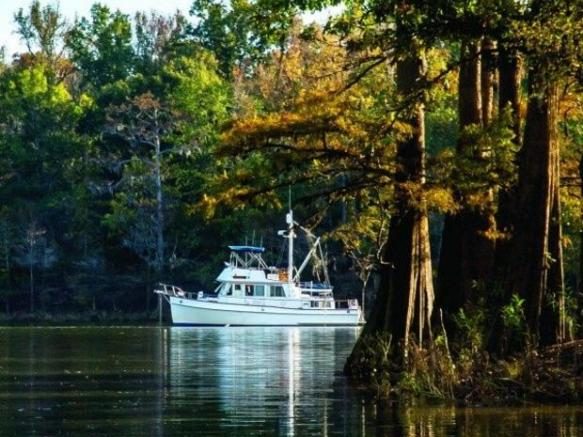
Some people say, “Don’t buy too large or you’ll intimidate yourself.” And to that I’d say it really depends on how much training you do ahead of time.
I discourage my clients from just getting on the boat and going. A lot of people do that, and they end up frustrated and stressed. Slow down. Take your time. Get proper training. Practice as much as you can. When you go with confidence, it really doesn’t matter what boat you have, because you’re comfortable with it.
There are also practical considerations—things like a lower helm with a side door, a midship cleat for locks and docking, especially if you’re short-handed and cruising as a couple.
Practice is everything. On any boat.
If you can charter, do it. We call it “try before you buy.” Go charter different boats. Get captain training. At the end of the day, it really comes down to the boat you want.
I watch people all the time—kind of like a real estate agent watching someone walk into a house. Either it works or it doesn’t.
People will step on a boat and say, “I want this one,” and then start picking it apart. Then they step onto another boat, sit in the salon, and say, “This is it.” They’ve sold themselves—and that’s the best outcome.
So that’s a long answer to a short question, but that’s boating.
Training for First-Time Cruisers
Host:
So let’s talk training for a moment. Imagine someone who isn’t coming from the cruising community — this is their first real foray into longer-term cruising. What kind of training would you recommend? Let’s say it’s a cruising couple.
Curtis:
Sure. There are a lot of captains out there. Some are excellent at deliveries, some are excellent at training — and those are not always the same thing. What you want is a training captain, someone with a lot of patience. And if you’re a couple, ideally you’re working with a couple — that dynamic really helps.
Your broker can help with contacts, but also ask other Loopers. Ask boaters you meet: Who did you work with? That word-of-mouth is invaluable.
And don’t rush it. Keep the captain on longer than you think you need — not just a day or a weekend. Spend real time going through systems, boat handling, docking in different winds, currents, weather conditions. All of that makes your life so much easier and far more comfortable once you’re on your own.
There are also captains who specialize in the Great Loop and will even do a portion of it with you. That’s a fantastic way to build experience. And sometimes Loopers are actually looking for crew — you can sign on and do part of the Loop before you ever buy a boat. That kind of real-world experience is priceless.
And beyond hands-on experience, everyone really needs basic safety training. The BoatUS Foundation offers free online courses. Just make sure it’s NASBLA-certified. Pick your state, take the course, and get a card that shows basic boating safety and handling. Many states — New Jersey, for example — require it, and having that NASBLA certification keeps you covered.
Host:
That’s great to know. How many states does the Loop actually touch?
Curtis:
Quite a few. It’s essentially a circumnavigation of the eastern third of the U.S., plus parts of Canada — and many people add the Bahamas. With side trips, you’re looking at roughly 6,000 nautical miles.
Host:
That’s incredible. Is there a stretch you’re especially fond of?
Curtis:
The Chesapeake Bay will always be special to me — I’m from there originally and I’m actually there right now. You could spend a lifetime on the Chesapeake and never see all of it.
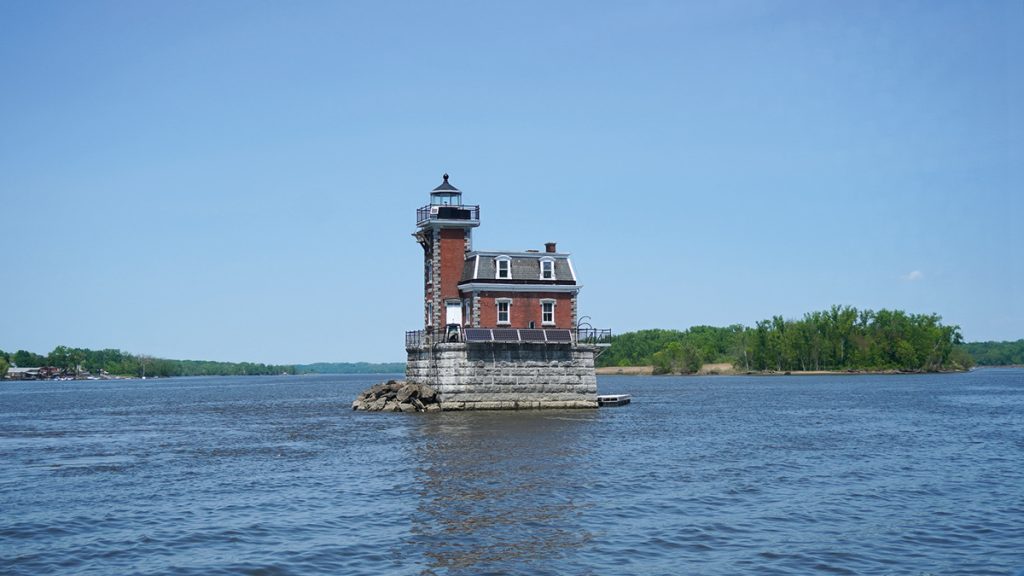
Georgian Bay and the Trent-Severn Waterway in Canada are spectacular. The rivers get mixed reviews, but I think the Tennessee River is stunning — the scenery, the towns, the history. And of course, the Florida Keys are fantastic. A little crowded this time of year, tough to find dockage, but absolutely worth it — and a lot warmer than the Chesapeake in winter.
Insurance: The Biggest Obstacle
Host:
What else should first-time Loopers know?
Curtis:
The biggest obstacle right now is insurance. We’re in what’s called a hard insurance market. Between hurricane losses, marina fires, and skyrocketing claims, many insurers have pulled out of marine insurance entirely. The ones that remain are very restrictive — and their requirements change constantly.
Typically, they prefer boats 20 years old or newer. They want prior ownership experience. And they usually won’t insure you for more than 10–12 feet larger than the biggest boat you’ve owned.
So when someone tells me, “I had a 20-foot ski boat 20 years ago and now I want a 45- or 50-footer,” that’s a problem. They often have to scale back — or they can’t get insurance at all.
Insurance is expensive, and you absolutely need to shop it carefully. Work with a marine insurance broker — someone who knows boats and the Great Loop. I often recommend John Horton at Jack Martin & Associates, but there are others who specialize in Loopers.
And here’s the key: shop for insurance before you buy a boat.
Don’t ask for a generic pre-approval. Pick a real boat — slightly larger, slightly older, slightly more expensive than what you think you want — and submit that exact boat to the insurer. If they reject it, they’ll tell you what they will insure you for. If they approve it, you now know your boundaries.
Years ago, we’d put a boat under contract, survey it, then get insurance right before closing. You simply can’t do that anymore.
Why a Buyer’s Broker Matters
Host:
I don’t think first-time buyers realize how critical that is. It can absolutely crush someone’s dream.
Curtis:
It really can. People come from aviation, RVing, all sorts of backgrounds and say, “I’ve done 6,000 miles before.” Totally irrelevant to marine insurance.
That’s why I start every conversation by asking about ownership experience. When we’re at rendezvous events, I’ll literally tell people: Go talk to the insurance broker first — then come back to me.
Once you get past insurance, take everything online with a grain of salt. AI, listings, videos — it’s overwhelming. At some point, you have to get on boats in person. And that usually means traveling.
That’s why I strongly recommend using a buyer’s broker — someone who works for you, not someone trying to sell their own listing. A good buyer’s broker listens, consults, previews boats nationwide, and does virtual walkthroughs. That saves buyers enormous time, money, and disappointment.
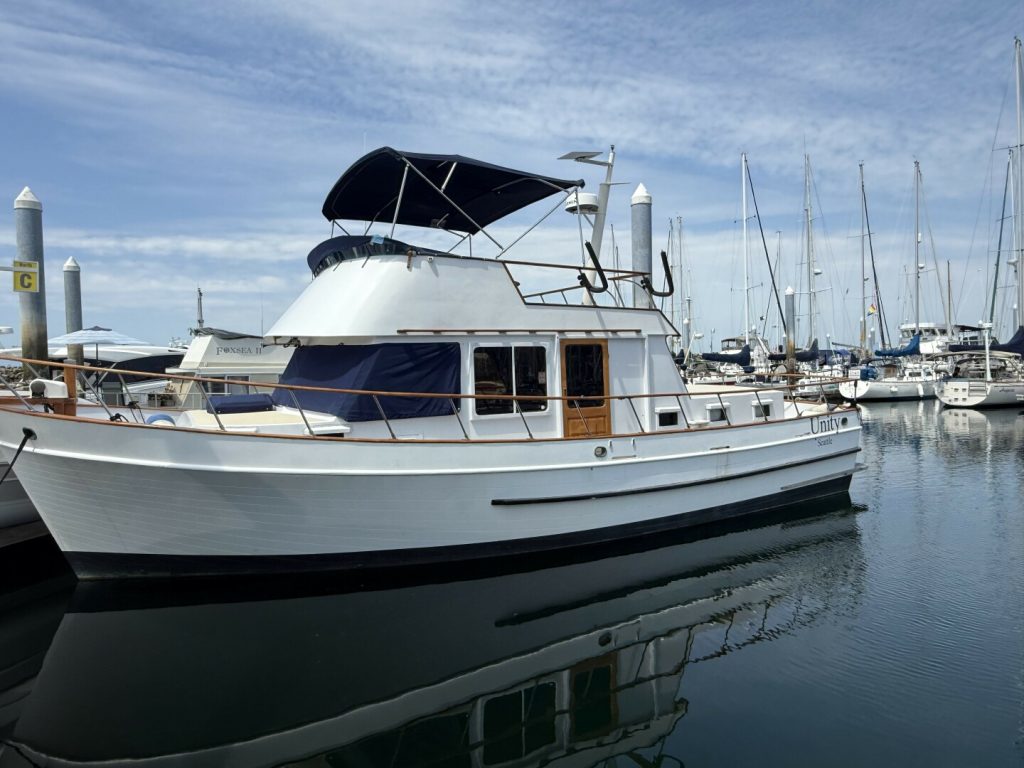
Unfortunately, many boats aren’t presented honestly — especially FSBO listings from COVID buyers who paid top dollar and now don’t want scrutiny. I’ve had sellers tell me outright they don’t want a broker involved because they don’t want a survey.
Which brings me to this: always survey the boat.
Never rely on an old survey — even if it’s recent. The boat could’ve grounded, flooded, or caught fire since then. Get your own surveyor. Bring your own team. Do your due diligence.
And yes — many Loopers are first-time cruisers. That’s the beauty of it. Baby boomers are retiring, tackling bucket-list adventures, and the Great Loop is right at the top. It’s brought a huge number of new people into boating — which is wonderful.
But guidance, training, and preparation are what turn it from a stressful experience into an incredible one.
Host:
So what do you have coming up? Boat shows? Miami? Fort Lauderdale?
Curtis:
Fort Lauderdale is always late October around Halloween. Miami is mid-February around Valentine’s Day. There’s also St. Petersburg and Palm Beach in March.
But I caution people about big boat shows. They’ve become so expensive for brokers and dealers that you mostly see brand-new boats and mega yachts. You’re not going to see many affordable, Great Loop-capable boats.
They’re fun — buy a shammy, grab a beer, enjoy the crowds — but they’re usually not where Loop boats live. For that, you really need to narrow your search online, then travel to see boats wherever they are.
Host:
That’s great advice — because “new” doesn’t necessarily mean “right,” especially for the Loop. How long do people usually take to cruise it?
Guest:
Years ago, people did the Loop multiple times. Now it’s a bucket-list item. Many people do it in a year. Some try to set speed records. It’s been done in jon boats, jet skis, kayaks — all kinds of wild ways.
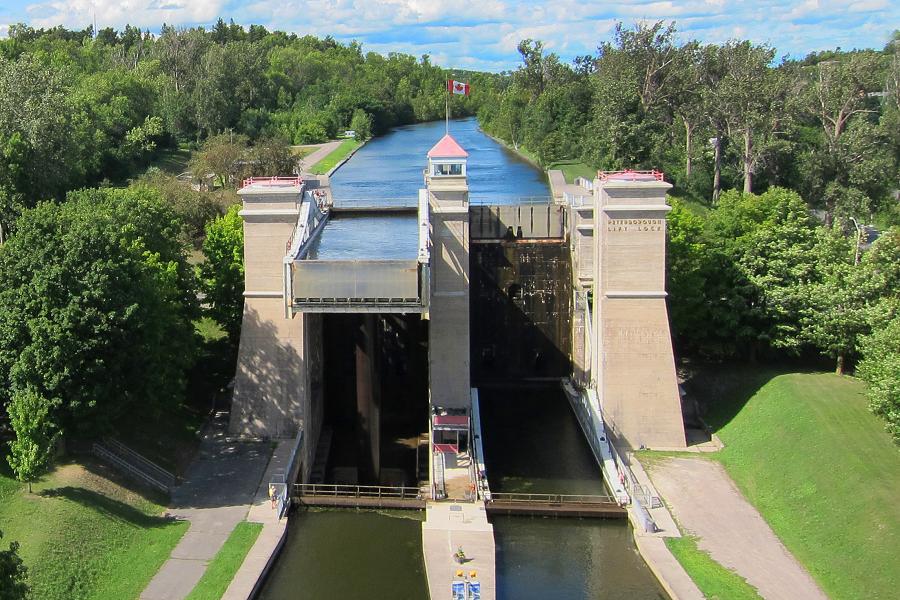
But most people buy a boat, do the Loop, get the gold burgee, and move on to the next adventure.
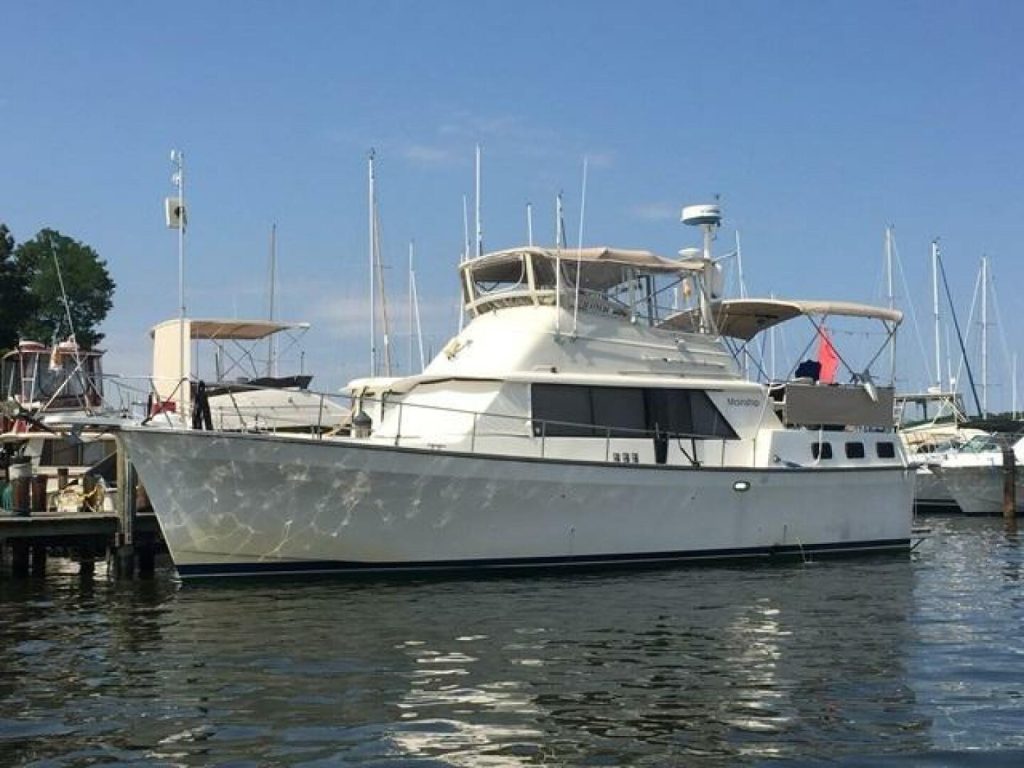
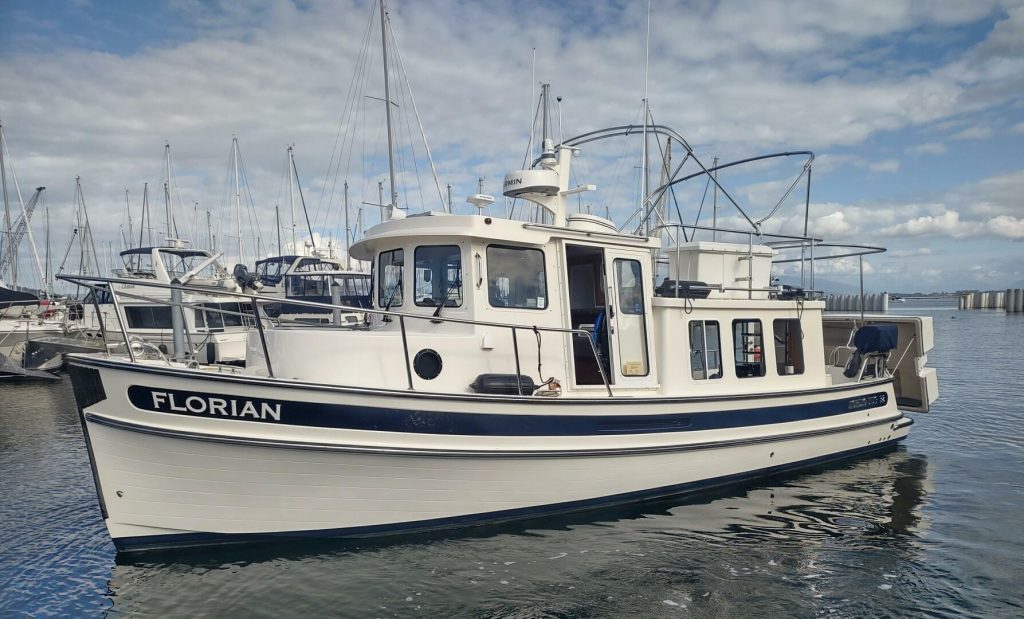
That’s why resale matters. If you’re doing the Loop once, don’t buy a custom boat. Buy a well-known brand — Mainship, Grand Banks, Nordic Tug, American Tug, Carver, Cruisers, Monk, trawler-style boats.
We often list boats for clients while they’re still on the Loop. The sale is contingent on them finishing, the next buyer steps aboard, and the boat just keeps cruising. It’s pretty cool.
Host:
I love that — the boat stays in its natural habitat and just keeps going.
What about draft and height limitations?
Curtis:
Lower draft is always better. Five feet is the magic number — anything deeper becomes more challenging in the locks.
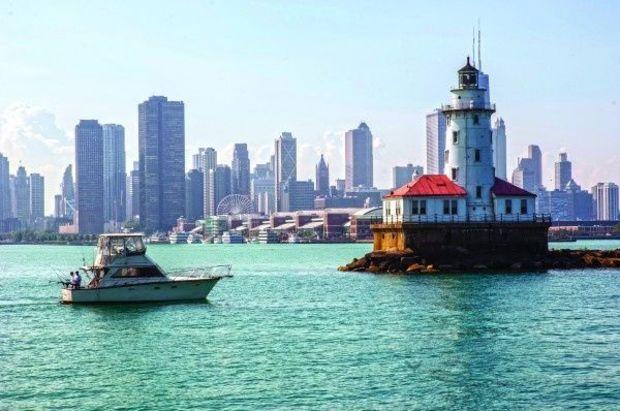
Air draft matters too. There’s a railroad bridge south of Chicago at 19 feet 6 inches. Lake Champlain is 17 feet. Parts of the Erie Canal are 15½ feet. So 19’6” air draft and five feet of draft are your benchmarks.
Smaller boats get into more marinas. Older marinas have smaller slips. But if you’re moving regularly, you’re often on fuel docks or face docks anyway.
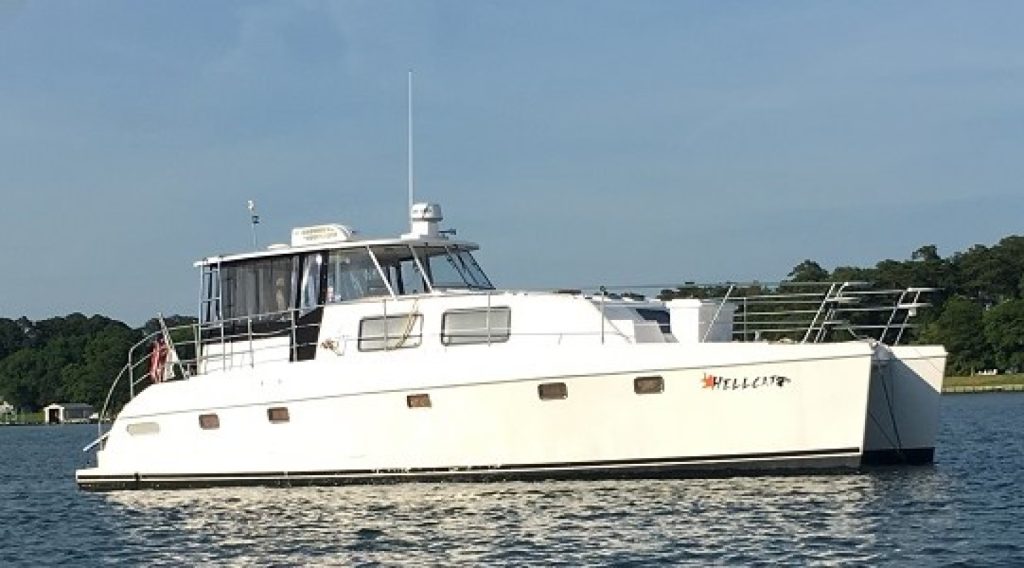
Power cats are popular, but beam matters — especially on the Trent-Severn. If a boat has a hinged mast or arch, or you can install one reasonably, that can make it Loop-capable. You usually only have to lower it once.
Host:
What about anchoring?
Curtis:
Less and less — especially in Florida and Biscayne Bay. Anchoring restrictions are increasing due to derelict boats, which affects responsible cruisers.
Marinas are also tighter than they used to be. Some boats aren’t moving due to the economy, so transient slips are harder to find. You do have to plan more now — but never push yourself on a schedule.
There are memberships and tools — Safe Harbor, Waterway Guide, Marina Life, Dockwa — that really help.
Final Advice
Curtis:
Boating is supposed to be fun. If it’s not fun, something’s wrong — usually not enough training, preparation, or slowing down.
If you’re not enjoying it, stop. Hire a training captain. Reset. You don’t have to do the Loop in one year. Leave the boat in New York, Canada, Florida — whatever works.
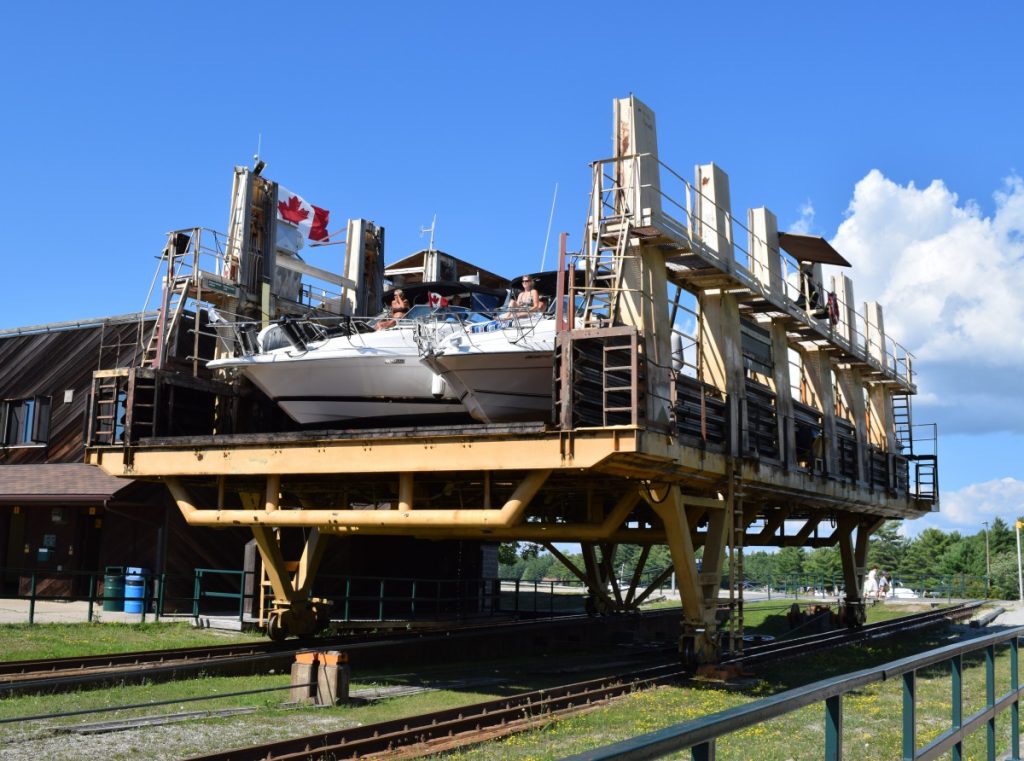
Slow down. Do the side trips. I see people race through the Chesapeake just to reach the locks when they open. We always say, Slow down — you’re missing incredible places.
Host:
Exactly. Records aren’t the point. For me, boating is about slowing life down. The journey is the destination.
Curtis:
If you slow the journey, you’ll have a lot more destinations to enjoy.
Closing
Host:
That might be my favorite line of the entire episode. That needs to be on a pillow.
Curtis, where can people find you?
Curtis:
Our website is CurtisStokes.net, and my email is curtis@CurtisStokes.net. I’m always happy to help and answer questions.
Host:
Thank you so much for sharing your knowledge today.
And thank you to our listeners. The Great Loop is more than a route—it’s a journey that rewards good information and thoughtful decisions.
I’m Christy Braun with Yachtsite, where we curate cruising boats, share straight-talk education, and help buyers and sellers move forward with confidence.
If this episode helped you, subscribe to the podcast, share it with a fellow cruiser, and explore more at yachtsite.com.